
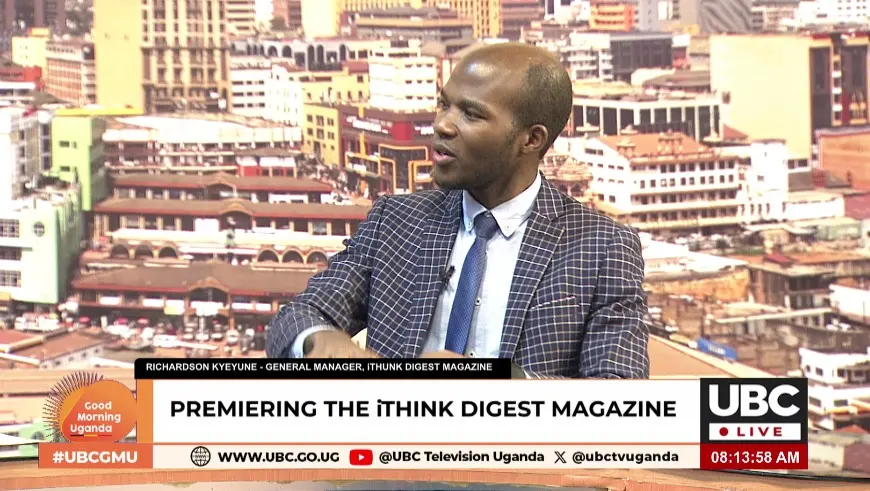
From Broadcast Studio to Digital Magazine: How African Media Identity Is Changing
The boundaries between television, radio, magazines and books are becoming more flexible—and more creative.
A story may begin in a television studio, continue as an audio conversation, become a long-form article and later appear inside a digital magazine edition. Modern media no longer needs to keep every format in a separate room.
This convergence is changing how African media brands present themselves. Visual identity must work on a phone screen, a studio wall, a printed cover and a public event. Editorial teams must also think about how one piece of work can travel without losing meaning.
Consistency without sameness
A connected media company benefits from a shared standard, but every platform should retain its own character. Television can remain immediate, radio intimate and a magazine reflective.
For iDigest, the challenge is to combine the authority of a publication with the energy of digital media. That means stronger reading experiences, beautiful cover presentation, accessible archives and space for independent writers.
The next chapter
The future African media house may look less like one channel and more like a living network of stories. The reader should be able to watch, listen, read, download and return without feeling that they have left the same trusted environment.